Getting to Valley of Flowers is half the journey. The road from Rishikesh to Govindghat — where the trek begins — is 270 km of Himalayan highway along the Alaknanda river, through gorges, over landslide zones, and past some of the most dramatic scenery in Uttarakhand.
We have driven this route dozens of times. This guide covers every segment, with honest notes on road conditions, stops, and how to make the drive as smooth as possible.
Route Overview
Delhi → Rishikesh → Devprayag → Srinagar → Rudraprayag → Chamoli → Pipalkoti → Joshimath → Vaadi → Govindghat
| Segment | Distance | Drive Time | Road Quality |
|---|---|---|---|
| Delhi to Rishikesh | 240 km | 5–6 hours | Expressway + highway, excellent |
| Rishikesh to Devprayag | 70 km | 2–2.5 hours | Mountain road, good |
| Devprayag to Rudraprayag | 65 km | 2 hours | NH-58, good |
| Rudraprayag to Chamoli | 65 km | 2 hours | NH-58, fair to good |
| Chamoli to Pipalkoti | 20 km | 45 min | Fair |
| Pipalkoti to Joshimath | 35 km | 1.5 hours | Fair, steep sections |
| Joshimath to Vaadi | 20 km | 40 min | Mountain road, good |
| Vaadi to Govindghat | 24 km | 45 min | Mountain road, good |
Total Delhi to Govindghat: ~510 km, 14–16 hours (break into 2 days)
Total Rishikesh to Govindghat: ~270 km, 8–9 hours
Segment-by-Segment Guide
Delhi to Rishikesh (240 km, 5–6 hours)
Take the Delhi-Meerut Expressway and then NH-58 through Haridwar to Rishikesh. The road is excellent — four-lane expressway for most of it. Leave Delhi by 4–5 AM to clear the city before traffic builds.
Recommended stop: Rishikesh. If driving from Delhi, most people break the journey here overnight and start the mountain drive fresh the next morning.
Rishikesh to Devprayag (70 km, 2–2.5 hours)
The mountain road begins. NH-58 follows the Ganga upstream through Shivpuri, Byasi, and Kaudiyala before reaching Devprayag. The road is good but winding — no overtaking on blind corners.
Don’t miss: Devprayag — the confluence of the Alaknanda and Bhagirathi rivers. This is where the Ganga officially begins. A five-minute stop at the bridge offers one of the most iconic views in Uttarakhand.
Devprayag to Rudraprayag (65 km, 2 hours)
The road follows the Alaknanda river through a progressively deeper gorge. The towns thin out. Road quality is generally good, but monsoon can bring rockfalls and brief closures.
Food stop: Srinagar (Garhwal) — the biggest town on the route between Rishikesh and Joshimath. Multiple dhabas and restaurants. Fill up fuel here.
Rudraprayag to Chamoli (65 km, 2 hours)
Past Rudraprayag, the valley narrows. The road is adequate but narrower in sections. Karnaprayag and Nandprayag are small towns along the way.
Chamoli to Pipalkoti (20 km, 45 min)
A short stretch through the Chamoli valley. Pipalkoti is a small market town that serves as a transit point.
Food stop: Pipalkoti has several dhabas. The rajma-chawal at the roadside stalls is honest and filling.
Pipalkoti to Joshimath (35 km, 1.5 hours)
The steepest section of the drive. The road climbs from 1,300m to 1,890m through tight switchbacks. Views open up as you gain altitude — the first glimpses of snow peaks appear.
Joshimath to Vaadi (7 km, 15 min)
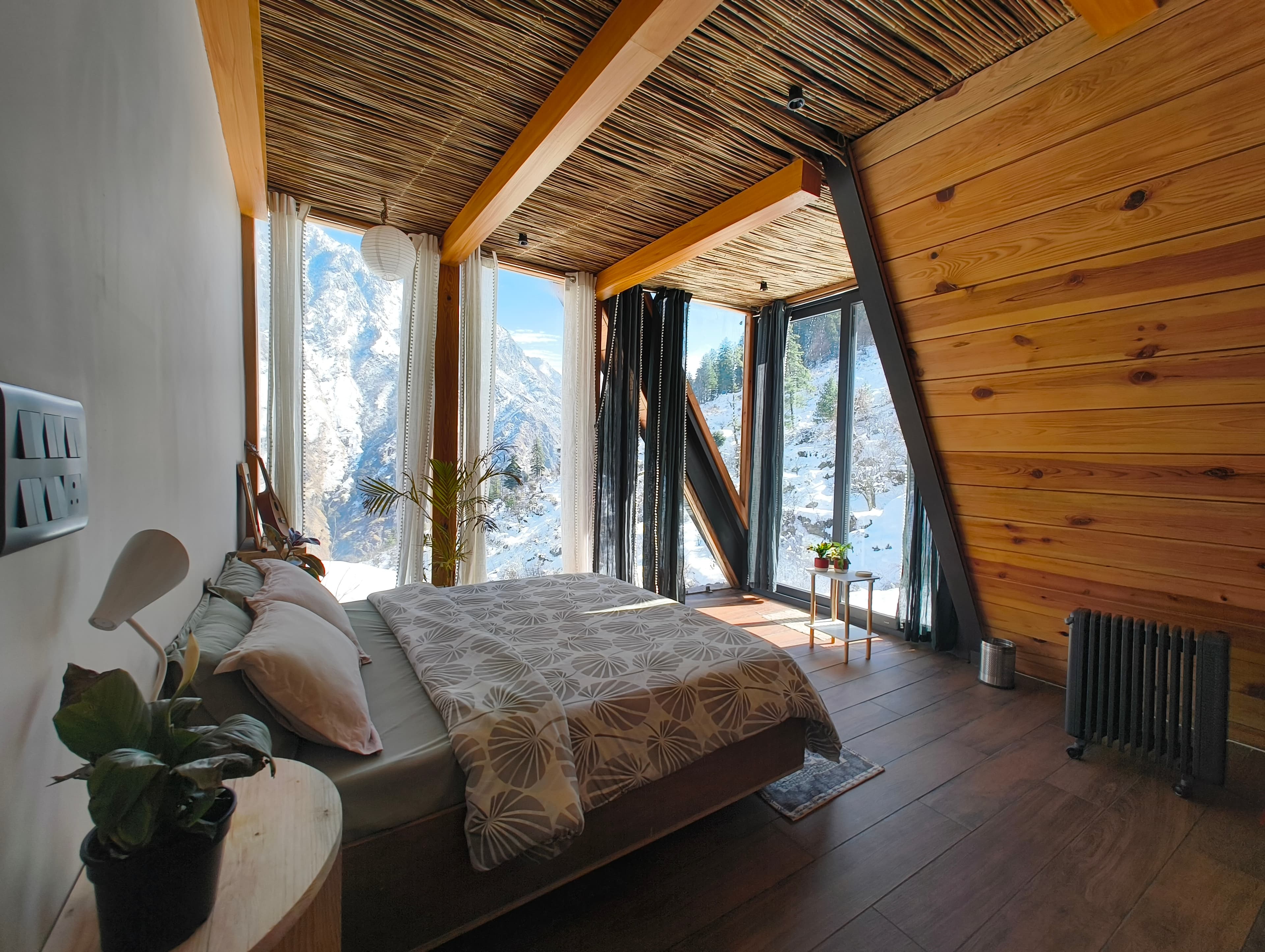
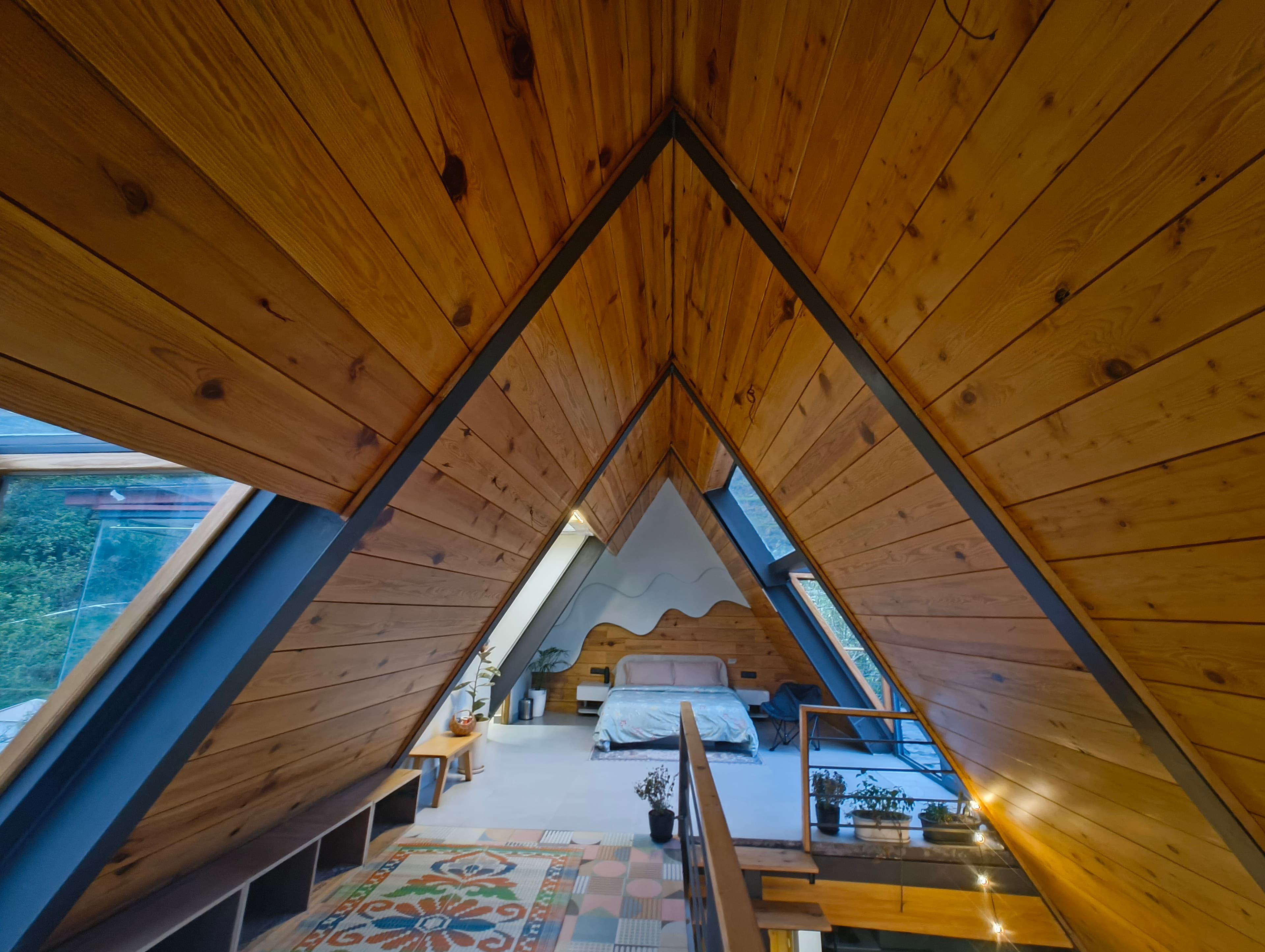
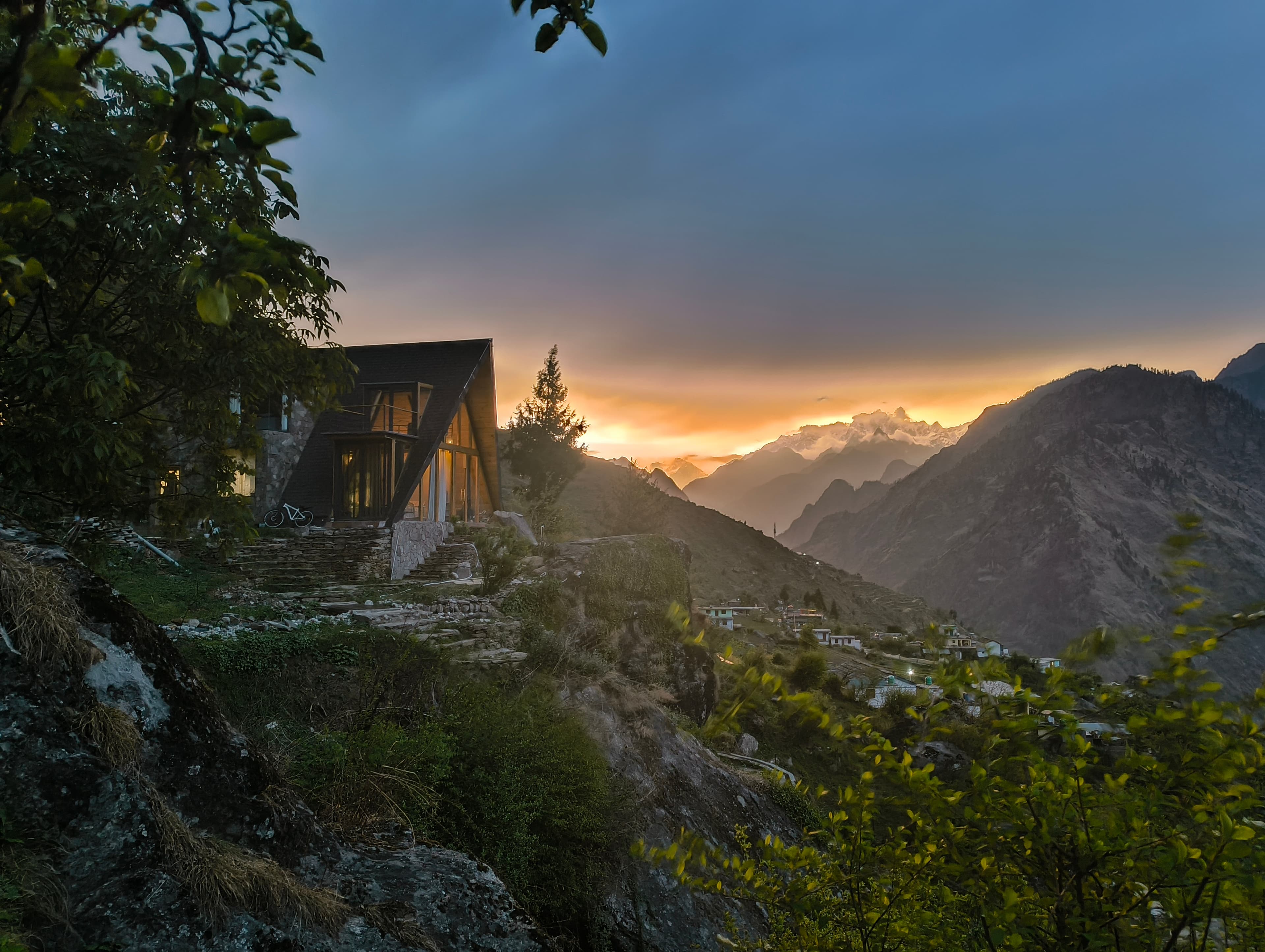
The road to Auli branches off from Joshimath. Vaadi is in a pine forest along this route, at 2,500 metres. This is where we recommend stopping for the night.
Vaadi to Govindghat (24 km, 45 min)
The final stretch. Drive down from Vaadi to the Alaknanda valley and along to Govindghat, where the road ends and the trek begins.
Transport Options
Self-Drive
The road from Rishikesh to Govindghat is drivable in a standard car, but a high-clearance vehicle (Innova, Bolero, or SUV) is recommended for the Pipalkoti-Joshimath section. Petrol stations are available at Rishikesh, Srinagar, Rudraprayag, Chamoli, and Joshimath. Carry a full tank past Joshimath — there is no fuel station at Govindghat.
Shared Taxi
Shared Sumos and Boleros run from Rishikesh to Joshimath daily. Cost: ₹600–800 per seat. From Joshimath, shared transport to Govindghat costs ₹100–200. Departures are early morning.
Private Taxi
The most comfortable option. A private Innova or Bolero from Rishikesh to Govindghat costs ₹8,000–12,000 one way. The driver waits at Govindghat while you trek and drives you back.
From Vaadi, we arrange Govindghat transfers for ₹1,500–2,000 return.
Bus
Uttarakhand Roadways (UKTC) runs buses from Rishikesh to Joshimath. Departures from Rishikesh ISBT at 5–6 AM. Journey takes 10–12 hours. From Joshimath, take a shared taxi or bus to Govindghat (25 km, 1 hour).
Monsoon Road Conditions
Valley of Flowers season is monsoon season. This means:
- Landslides are common between Rudraprayag and Joshimath. Closures of 2–8 hours happen regularly. Larger slides can block the road for a day.
- Always carry a buffer day. Do not plan a tight itinerary. If you must fly out of Delhi on a specific date, add at least one extra day.
- Check BRO (Border Roads Organisation) updates before departure. Local drivers will have the latest road information.
- Drive in daylight only. Mountain roads after dark in monsoon are genuinely dangerous.
Vaadi advantage: If the road to Govindghat is blocked, you wait at Vaadi in comfort — a pine forest cabin with meals and a bed, rather than being stranded at a roadside in the rain.
By Air
Nearest airport: Jolly Grant Airport, Dehradun (290 km from Govindghat). Flights from Delhi take 1 hour. From Dehradun, drive or take a taxi to Rishikesh (20 km) and continue by road.
Helicopter: During VoF season, helicopter services sometimes operate from Govindghat to Ghangaria. Availability and pricing vary year to year. Check locally.
By Train
Nearest railway station: Rishikesh (270 km from Govindghat). Multiple trains daily from Delhi (5–6 hours). From Rishikesh station, take a taxi or bus to Govindghat.
Alternative: Haridwar Junction (295 km from Govindghat). More train options, then 45 minutes by road to Rishikesh.
Recommended Itinerary
| Day | Route | Stay |
|---|---|---|
| 1 | Delhi/Rishikesh → Vaadi | Vaadi |
| 2 | Vaadi → Govindghat → Ghangaria | Ghangaria |
| 3 | Ghangaria → Valley of Flowers → Ghangaria | Ghangaria |
| 4 | Ghangaria → Govindghat → Vaadi | Vaadi |
| 5 | Vaadi (rest day or depart to Rishikesh) | Vaadi/Rishikesh |
Frequently Asked Questions
Can I drive from Delhi to Govindghat in one day?
Technically possible (14–16 hours) but extremely tiring and not recommended. Break the journey at Rishikesh or, better, at Vaadi near Auli.
Is the road to Govindghat safe during monsoon?
The road is maintained by BRO and is generally passable, but landslides cause temporary closures. Travel in daylight, check conditions locally, and build buffer days into your plan.
What if I’m coming from Badrinath?
Badrinath to Govindghat is 25 km (1 hour by road). If you are already on the Char Dham circuit, adding Valley of Flowers is easy.
Where should I stay the night before the trek?
We recommend Vaadi (24 km from Govindghat). Proper rooms, home-cooked meals, and a calm setting at 2,500m. The altitude helps with acclimatisation before the trek.
Book via WhatsApp: +91 8862806630