The Valley of Flowers is a UNESCO World Heritage Site in the Chamoli district of Uttarakhand — a high-altitude glacial valley at 3,658 metres where over 600 species of wildflowers bloom between July and September. It is one of the most beautiful treks in India, and one of the most accessible.
This guide covers everything: the full route from Rishikesh, day-by-day itinerary, permits, costs, what to pack, and where to stay. We have arranged dozens of Valley of Flowers trips from Vaadi, which sits just 24 km from Govindghat — the trailhead.
What Is Valley of Flowers?
Discovered by British mountaineer Frank Smythe in 1931, the Valley of Flowers is a 87.50 sq km national park nestled between the Zanskar and Himalayan ranges. The valley sits at an altitude of 3,352 to 3,658 metres and is surrounded by peaks exceeding 6,000 metres.
In 1982, it was declared a National Park. In 2005, UNESCO added it to the World Heritage list alongside the adjacent Nanda Devi National Park.
What makes it extraordinary: during the monsoon months, the valley floor transforms into a carpet of alpine flowers — blue poppies, brahma kamal, cobra lilies, marigolds, daisies, orchids, and hundreds of species found nowhere else on earth.
The Route: Rishikesh to Valley of Flowers via Vaadi
The most common approach is from Rishikesh. Here is the full route broken down:
Day 0: Rishikesh to Vaadi
Distance: 270 km | Drive time: 8–9 hours | Road: NH-58 via Devprayag, Rudraprayag, Chamoli, Joshimath
Leave Rishikesh early morning. The road follows the Alaknanda river through increasingly dramatic gorges. Stop at Devprayag to see the confluence of the Alaknanda and Bhagirathi rivers.
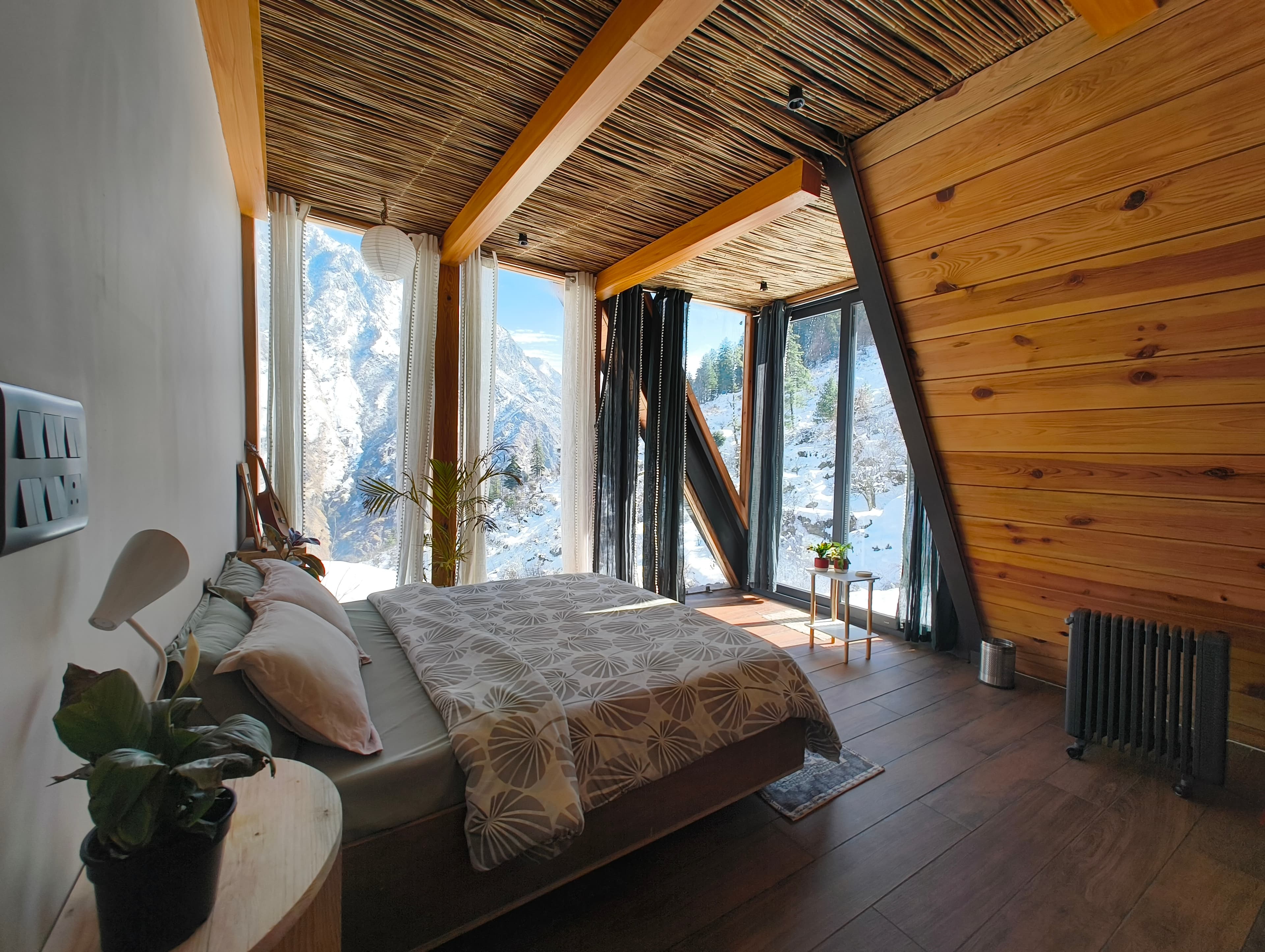
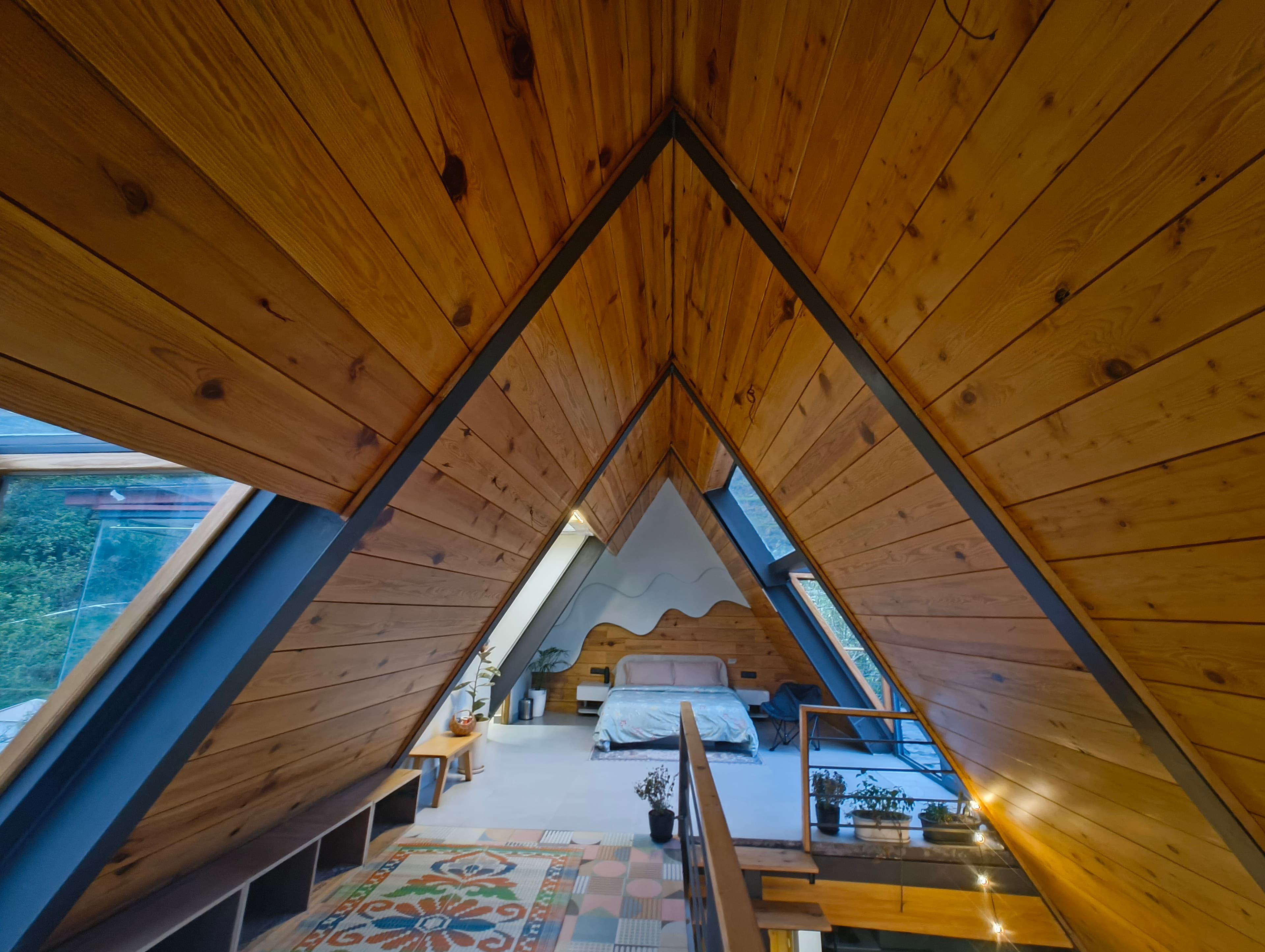
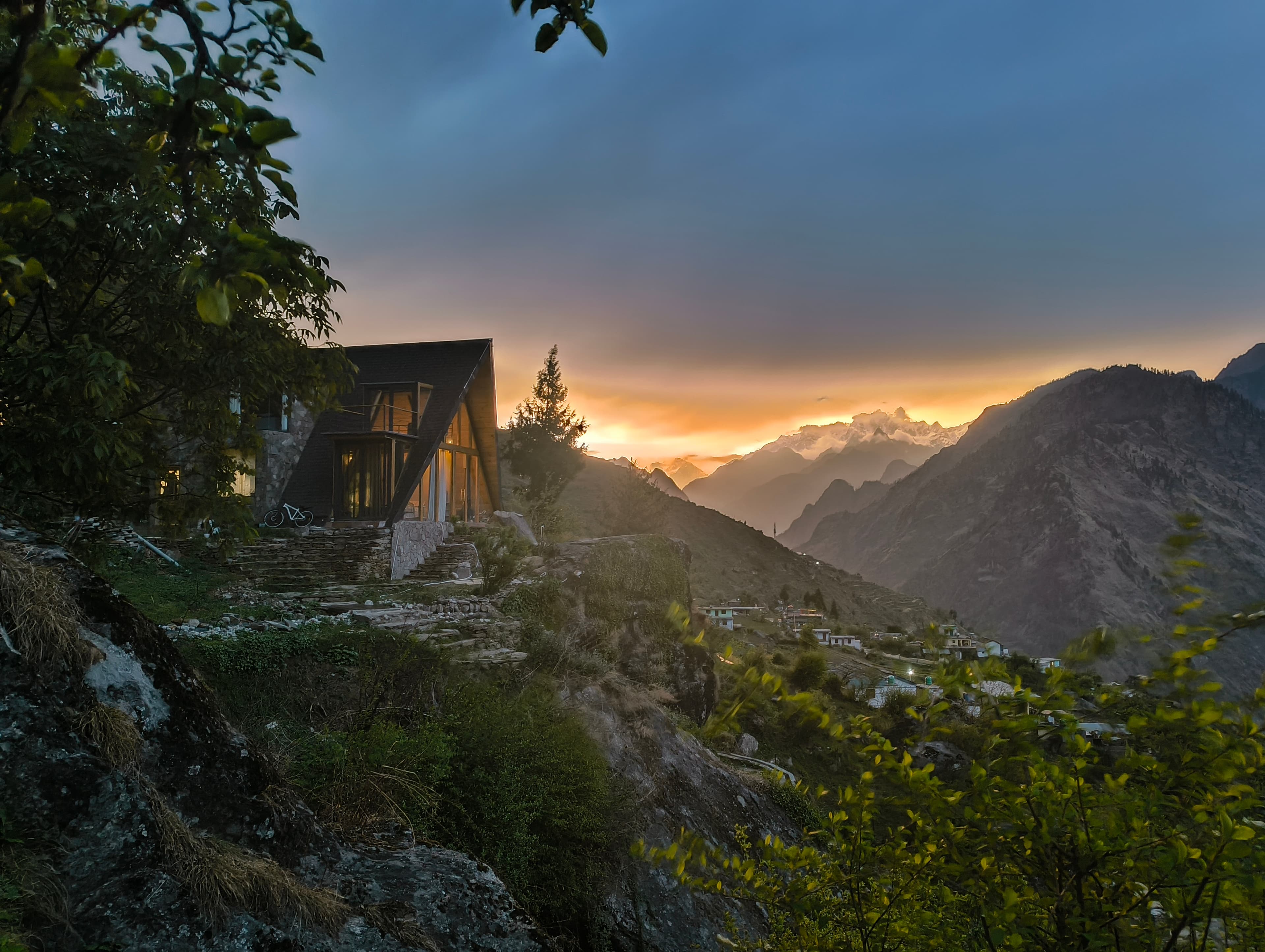
Arrive at Vaadi by late afternoon. The property sits at 2,500 metres in a pine forest near Auli — a proper bed, a home-cooked Garhwali dinner, and a quiet night before the trek.
Day 1: Vaadi to Govindghat to Ghangaria
Vaadi to Govindghat: 24 km drive (45 minutes)
Govindghat to Ghangaria: 14 km trek (5–6 hours) or helicopter
Drive to Govindghat early morning. The trek to Ghangaria follows the Lakshman Ganga river through a gradually ascending valley. The trail is well-maintained — stone steps, bridges, and chai stops along the way. Ponies and porters are available for hire at Govindghat.
Ghangaria (3,049m) is the base camp for both Valley of Flowers and Hemkund Sahib. It has basic lodges, a few restaurants, and a GMVN guesthouse.
Day 2: Ghangaria to Valley of Flowers and Back
Distance: 8 km round trip | Time: 4–6 hours
The valley opens about 3 km from Ghangaria. The trail crosses the Pushpawati river and enters the national park. You are required to be out of the valley by 5 PM.
Bring lunch — there are no shops inside the valley. A local guide is recommended (₹500–800 per day) to identify flowers and navigate the trails within the valley.
Day 3: Ghangaria to Govindghat to Vaadi
Ghangaria to Govindghat: 14 km trek (3–4 hours downhill)
Govindghat to Vaadi: 24 km drive (45 minutes)
Descend to Govindghat in the morning. Drive back to Vaadi for a hot shower, a proper meal, and a rest day in the mountains. After three days of basic lodges and trail food, this is the reward.
Day 4: Rest Day at Vaadi or Depart to Rishikesh
Either spend a rest day at Vaadi — forest walks, reading, sleeping — or drive back to Rishikesh (8–9 hours).
Trek Difficulty
The Valley of Flowers trek is rated Easy to Moderate.
- Govindghat to Ghangaria: The hardest day. 14 km uphill with about 1,100 metres elevation gain. Fit walkers do it in 5 hours. Average pace is 6–7 hours.
- Ghangaria to Valley of Flowers: Gentle walk. 4 km one way with gradual ascent.
- No technical climbing. The trails are well-maintained with stone steps.
- Altitude: Maximum 3,658m. Mild altitude symptoms are possible. Spending a night at Vaadi (2,500m) before the trek helps with acclimatisation.
Permits and Entry Fees (2026)
| Item | Cost |
|---|---|
| Valley of Flowers entry (Indian) | ₹150 per day |
| Valley of Flowers entry (Foreign) | ₹600 per day |
| Camera fee | ₹500 |
| Nanda Devi Biosphere Reserve fee | ₹50 |
Permits are available at the forest check post in Ghangaria. Carry a valid photo ID.
Costs Breakdown
Budget (per person, 4 days)
- Transport (shared taxi Rishikesh-Govindghat return): ₹2,500
- Ghangaria lodge (1 night): ₹500–800
- Meals (3 days): ₹1,500
- Permits: ₹200
- Porter/pony (optional): ₹1,500
- Total: ₹6,200–7,500
Comfortable (per person, 5 days)
- Private taxi Rishikesh-Vaadi-Govindghat return: ₹5,000
- Vaadi stay (2 nights, before and after trek): ₹12,000
- Ghangaria lodge (1 night): ₹800
- Meals at Vaadi (Garhwali home-cooked): ₹2,400
- Trail meals: ₹1,000
- Permits: ₹200
- Guide: ₹800
- Total: ₹14,200
Best Time to Visit
The valley is open from June to October, but the best window is mid-July to late August when the flowers are at peak bloom.
- July: Early blooms. Heavier rain but fewer crowds.
- August: Peak bloom. The valley is at its most spectacular. Expect more trekkers.
- September: Late flowers, autumn tones. Thinner crowds, clearer skies.
For a detailed month-by-month breakdown, read our guide: Best Time to Visit Valley of Flowers.
Where to Stay
Most trekkers stay at Ghangaria, which has basic lodges and a GMVN guesthouse. Rooms are simple — expect shared bathrooms, limited hot water, and generator-dependent electricity.
For a more comfortable experience, stay at Vaadi before and after the trek. It is 24 km from Govindghat — close enough for an early morning start, far enough for actual rest.
For a full comparison of accommodation options, read: Where to Stay Near Valley of Flowers.
What to Pack
The trek happens during monsoon. Rain gear is non-negotiable.
Essentials:
- Waterproof jacket and rain pants
- Trekking shoes with good grip (trails are wet)
- Daypack with rain cover
- Warm layers (Ghangaria gets cold at night)
- Water bottle, sunscreen, hat
- Valid photo ID for permits
- Cash (no ATMs in Ghangaria)
For the complete packing list, read: Valley of Flowers Packing List.
Combining with Hemkund Sahib
Hemkund Sahib — a sacred Sikh shrine at 4,329 metres beside a glacial lake — shares the same base camp at Ghangaria. Most trekkers combine both in a single trip: one day for the valley, one day for Hemkund.
Read the full combined itinerary: Valley of Flowers and Hemkund Sahib: How to Do Both.
Frequently Asked Questions
Is Valley of Flowers safe for solo trekkers?
Yes. The trail from Govindghat to Ghangaria is well-trafficked during season. Inside the valley, a guide is recommended but not mandatory. Many solo trekkers, including women, complete this trek every year.
Can I do the trek without a guide?
Yes, but a local guide (₹500–800/day) is useful inside the valley for identifying flowers and finding the best viewpoints. The Govindghat-Ghangaria trail is straightforward and does not require a guide.
Is there mobile network?
Jio and BSNL have intermittent coverage at Govindghat. At Ghangaria and inside the valley, expect no signal. At Vaadi, there is basic WiFi and intermittent mobile coverage.
Can children do this trek?
Children above 8 years with reasonable fitness can manage the trek to Ghangaria. The walk inside the valley is easy. Ponies are available for tired legs.
How do I reach Govindghat from Vaadi?
Vaadi is 7 km from Joshimath and 24 km from Govindghat — a 45-minute drive. We arrange transfers for all guests trekking to Valley of Flowers. Contact us on WhatsApp: +91 8862806630.
Plan Your Trip from Vaadi
Vaadi sits in a pine forest near Auli, at 2,500 metres — 24 km from Govindghat. We arrange transport, local guides, and can help plan your entire Valley of Flowers itinerary.
Stay the night before to acclimatise and rest. Stay the night after to recover with a home-cooked meal and a proper bed. The trek is the adventure. Vaadi is where you rest.
Book via WhatsApp: +91 8862806630